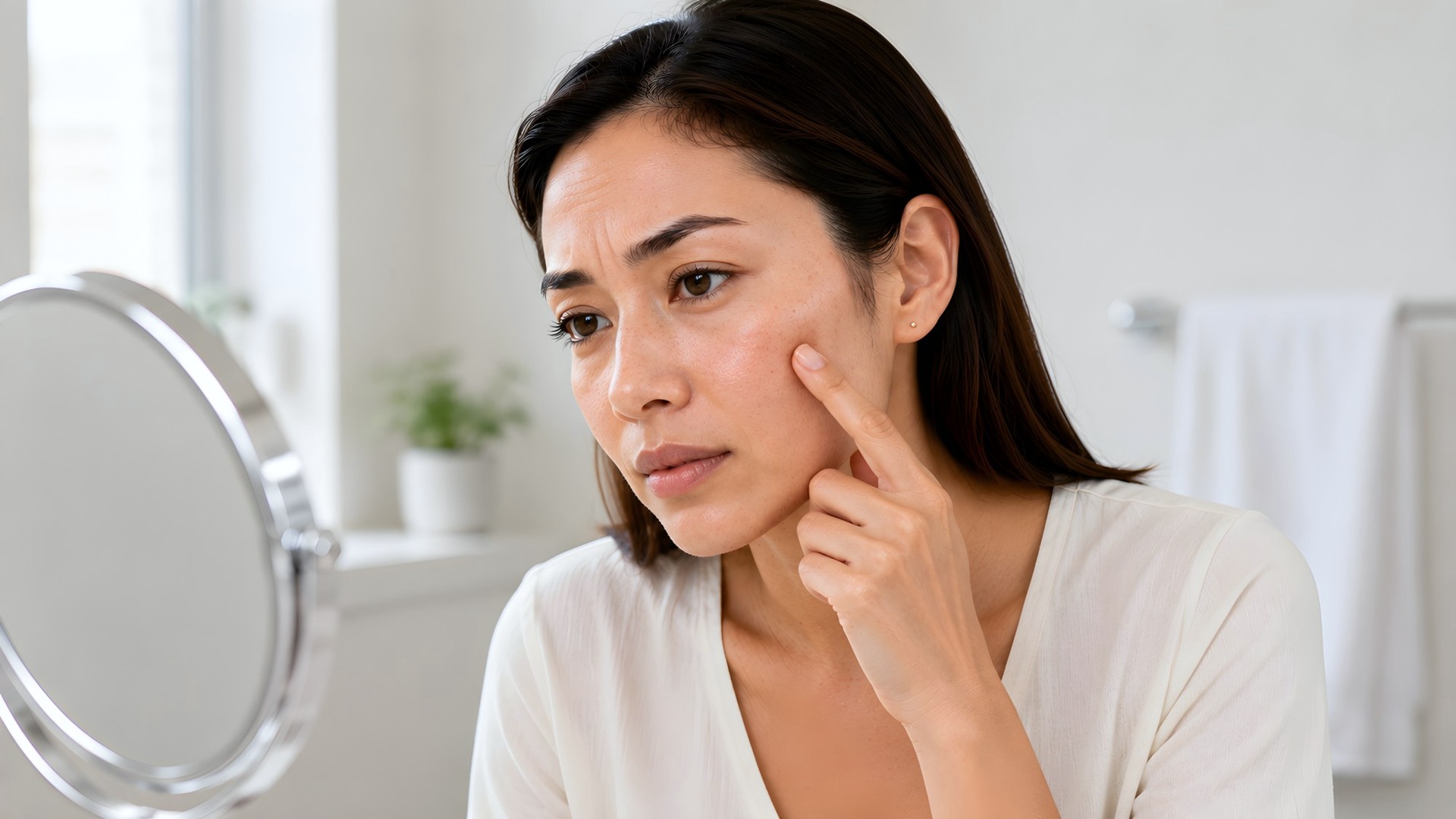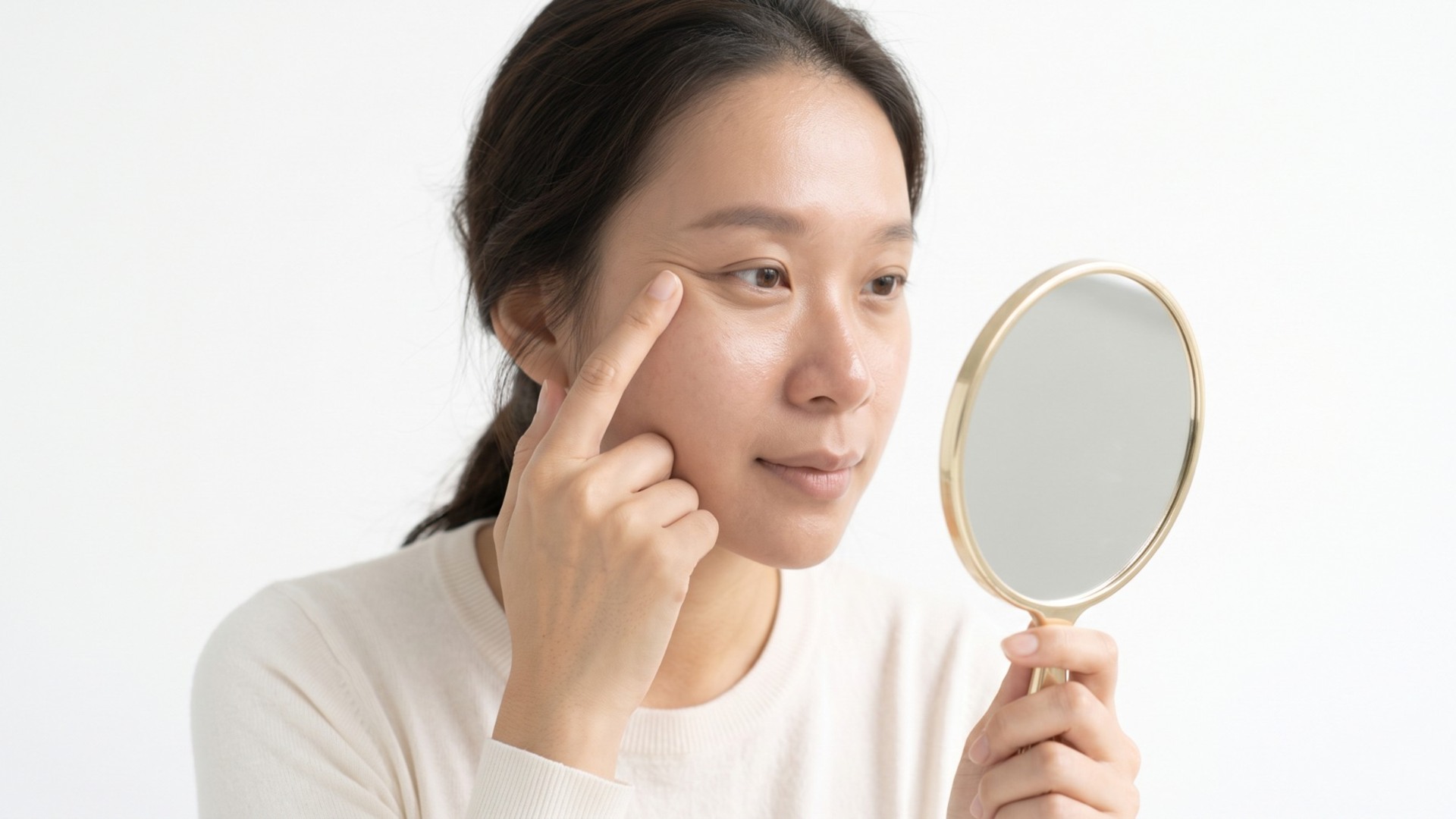
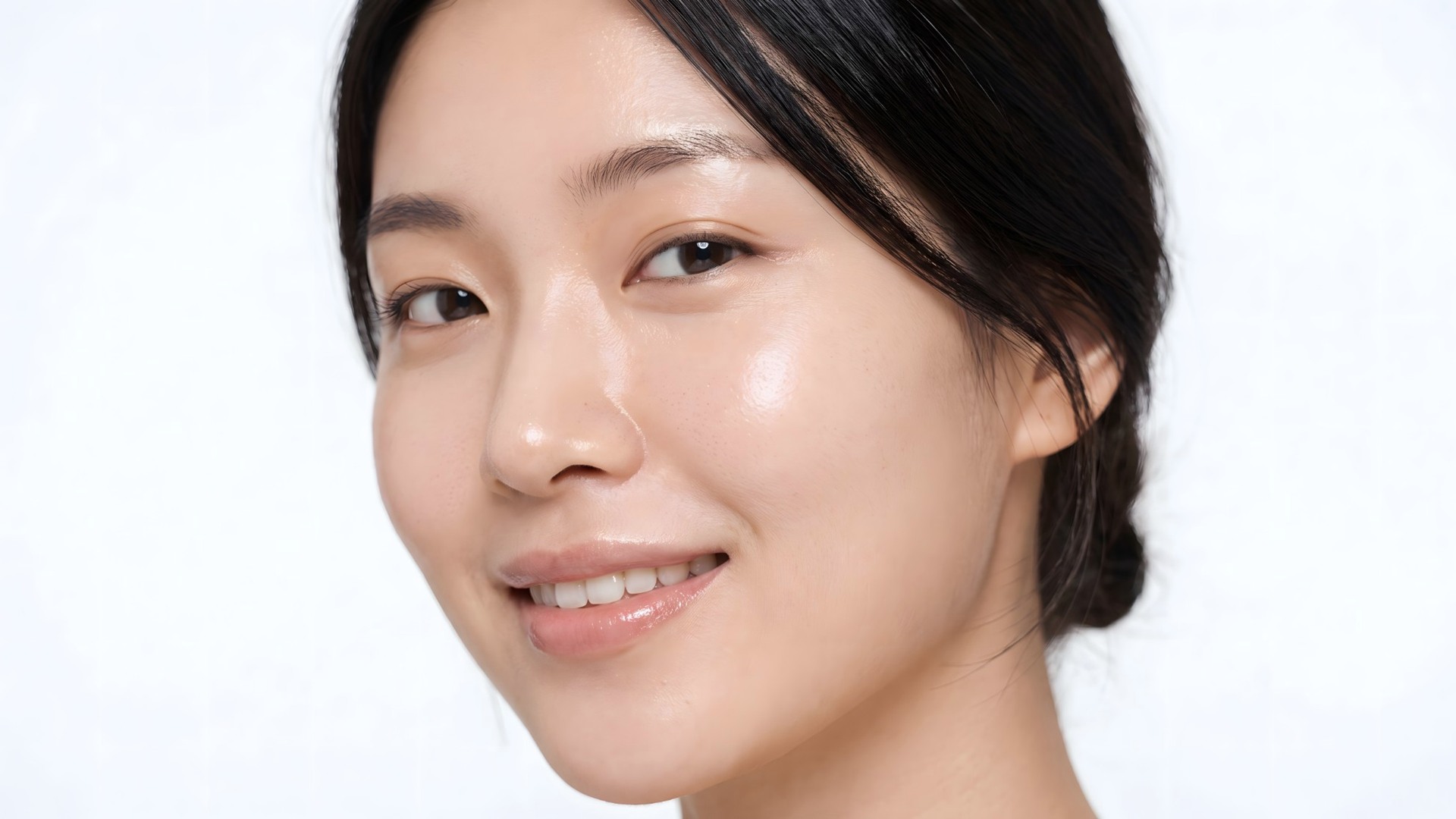
One beauty trend asks for a reflective glow. Another wants a soft, bouncy finish. A third borrows the language of snow. Before you choose a facial by the name, it helps to translate the trend into what you actually want for your skin.
Key Takeaways
- Glass skin is about a smooth, luminous look; mochi skin is usually described as softer and less glossy.
- Mochi is a Japanese rice-cake metaphor often discussed alongside Korean beauty trends. Neither label is a medical result.
- “Snow white” can be an unhelpful way of talking about brightness. Your natural skin colour is not a problem to correct.
- Ask about hydration, texture, comfort and specific marks rather than trying to reproduce a filtered photograph.
You know the look: skin that appears almost impossibly clear in a close-up video, catching light without a pore in sight. Then the camera moves to another trend, and the ideal is no longer glossy but pillowy. It can make choosing a simple facial feel like taking sides in a beauty debate.
Trends are useful when they give you language for a preference. They become less useful when the photograph turns into a standard your real skin is supposed to meet. Glass, mochi and snow white skin are beauty descriptions. None tells you which product or device a facial will use, how your skin will feel afterwards or whether the look makes sense for you in Singapore’s heat and humidity.
A quick guide to the three looks
| Beauty label | The look it suggests | A more useful question |
| Glass skin | A luminous, smooth-looking surface | Does your skin need hydration or texture care? |
| Mochi skin | A soft, bouncy-looking finish | Is comfort your main goal? |
| Snow white skin | Often used for brightness or even tone | Which specific mark or dullness concerns you? |
What is the appeal of glass skin?
As Vogue Singapore describes it, glass skin is a luminous, glossy appearance associated with hydration and a smooth-looking surface. There is something appealing about a face that looks fresh without a heavy layer of makeup.
The catch is that a photograph is a moment. Lighting, makeup and editing can all contribute to the shine. A glossy finish does not prove that skin is healthy, and skin that is comfortable does not have to reflect light like a studio image. If your own concern is flaky texture around your nose, say that. If makeup looks flat by afternoon, describe that instead. These details are far more useful in a consultation than “I want glass skin.”
And no, you do not need a prescribed number of steps to earn the look. Layering several new acids and serums at once can make skin unhappy, particularly if it is already reactive. A comfortable cleanser, moisturiser and sunscreen may be a better beginning than a ten-step challenge.
Is mochi skin just another name for glass skin?
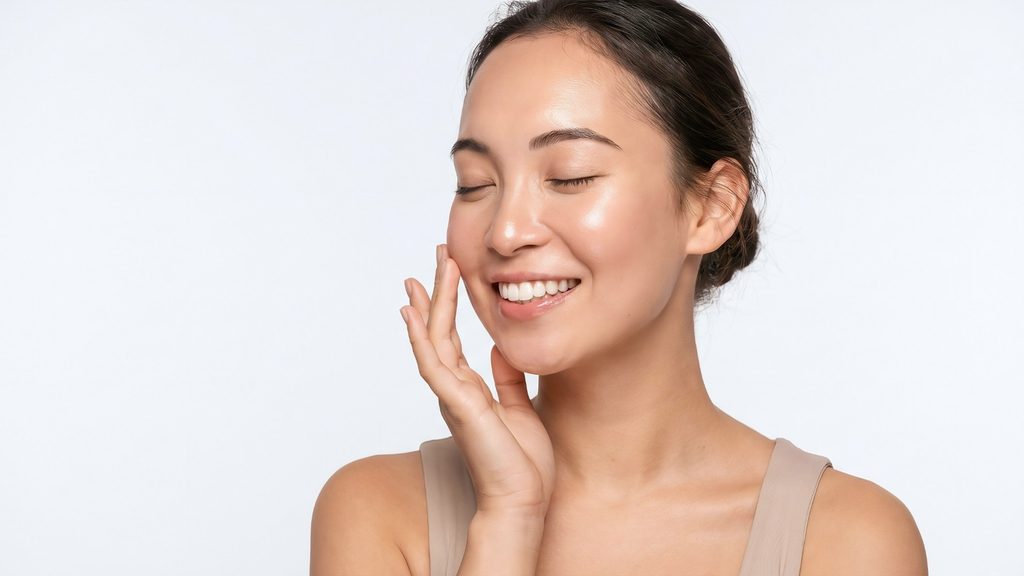
Not quite. Mochi is the Japanese rice cake that gives the look its name: soft, supple and bouncy rather than high-shine. A Singapore beauty founder interviewed by Vogue speaks of mochi skin as soft, balanced and quietly luminous. The two trends share an interest in hydration, but they suggest different finishes.
What you may really want is comfort. If your face feels tight after washing or foundation catches on dry areas, the promise of a softer finish sounds lovely. Tell the therapist how your skin feels before deciding on a treatment name. If your main concern is lost cheek volume, a hydrated surface is another kind of result. It can look beautiful without changing the deeper shape of your face.
The Japanese origin of “mochi” is also a reminder that beauty labels travel. They often get folded into a broad conversation about Korean skincare, even when their inspiration comes from elsewhere. Enjoy the metaphor without treating it as a precise treatment category.
What about “snow white skin”?
The name can be used to suggest brightness or an even-looking tone, but it also carries an implication that lighter skin is more desirable. You do not have to accept that. A better conversation might be about a particular dark mark, dullness or how your complexion looks after a stressful week. None requires you to change your natural colour.
If pigmentation is the real concern, ask what kind of mark you have. Melasma, sun spots and marks left by acne can need different care. A cosmetic facial can be discussed for appearance, while a changing lesion needs a clinician’s assessment. A promise to make everyone several shades lighter is not a useful measure of a facial’s quality.
Which look works in your actual day?
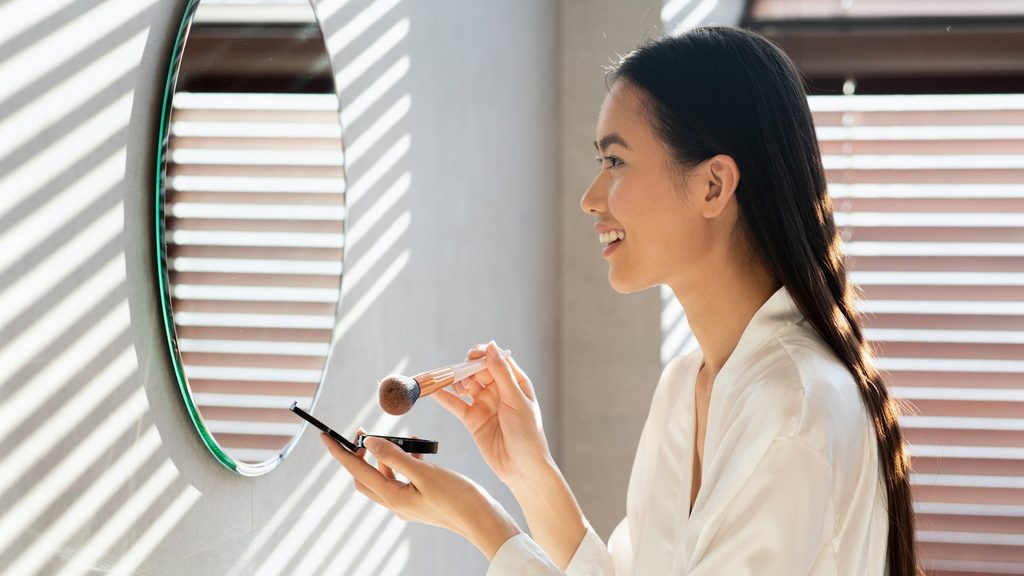
Imagine the finish after a humid commute, a few hours in air-conditioning and an afternoon meeting. You might adore a luminous morning glow but prefer less shine by lunch. Or you may want makeup to sit smoothly rather than look wet. There is no rule that you must choose a trend as your beauty identity.
TaraBliss’s Glow Glass Skin Facial has a named set of treatment steps and a personalised assessment. Ask what those steps are, how they suit your current skin and what you can realistically expect after one visit. The name is an invitation to discuss a finish, not a guarantee that your face will look like an edited image or that a dark patch will disappear.
Let the look inspire a question, then let your own skin answer it. Does your routine feel comfortable? Is a particular texture bothering you? Would a softer finish suit the way you actually like to wear makeup? Those are the questions that make a trend personal.
Can a trend be fun without becoming a rule?
Absolutely. You might take the luminous finish of glass skin as inspiration for an evening look and prefer your usual soft finish the next morning. You can borrow a beauty idea without committing to its entire routine or accepting its picture of perfection.
That matters particularly when the language drifts towards “flawless” or “white”. Neither is a useful description of a healthy face. Pores and natural texture exist. Singapore women have many skin tones, and an even-looking complexion does not require making one tone the ideal. Ask for care that respects your own skin and the specific concern you brought in.
The best beauty conversation leaves space for preference. Do you like a dewy finish under makeup? Does your skin feel comfortable after several layers? Would you rather focus on a dark mark than overall shine? Once you can answer those questions, the trend has done its useful work and you can leave the pressure behind.
Frequently Asked Questions

Is glass skin the same as healthy skin?
No. It describes a luminous look. Skin health also includes comfort and function; a glossy face may still be irritated.
Is mochi skin a Korean trend?
It is often discussed alongside Korean beauty trends, but the name and food metaphor come from Japan. It usually describes a soft, supple finish.
Can a facial make my natural skin colour lighter?
Do not accept a blanket promise to change your natural colour. Discuss a specific dark mark or uneven area with an appropriately qualified provider.
Do I need different products for all three looks?
No. There is overlap in hydration and surface care. Choose what suits your skin instead of creating three separate routines.
What should I ask before a glass skin facial?
Ask about the treatment steps, suitability, aftercare and the result you want, especially if your skin is sensitive or you have pigmentation.
Enjoy the trend on your own terms
You can love a radiant finish and still want your skin to look like yours. If the glass skin idea appeals to you, read about TaraBliss’s Glow Glass Skin Facial and ask how it fits your comfort and preferences. The most convincing glow is one you can live with outside a photograph.