Key Takeaway
- Facial puffiness has several different causes, and lymphatic drainage massage in Singapore works best on one of them: fluid that’s built up from slow lymphatic circulation.
- Puffiness from diet, sodium, alcohol, or poor sleep looks the same but comes from a different place and responds differently.
- Structural changes like fat shifting with age don’t respond to drainage at all.
- A gua sha facial is one of the most targeted tools for fluid-based puffiness, using directional strokes along the face’s drainage pathways.
- TaraBliss offers the Gua Sha Detox Facial and the Meridian Bojin Facial for puffiness concerns, and both start with a personalised skin diagnosis.
Introduction

Facial puffiness feels like it should have a simple answer. You reach for a jade roller, cut out the late-night salty snacks, book a facial, and sometimes it works. Other times nothing shifts, and you still look heavy-faced the next morning.
That’s usually because puffiness isn’t one problem. It’s a description of how your face looks, not a diagnosis of why. When it comes to lymphatic drainage massage in Singapore, what it actually works on is a build-up of lymph fluid under the skin. For that specific cause, it works well. For the others (sodium, stress, structural changes), you’re looking at something different.
Why Does the Face Puff Up?
Facial puffiness usually comes down to one of four things, and knowing which one you’re dealing with changes what you should actually do about it.
Sluggish lymphatic circulation
Your lymphatic system moves fluid and waste through a network of small vessels beneath the skin. Unlike your blood circulation, it has no pump. It relies on movement, breathing, and manual pressure to keep things flowing. When that slows down, fluid collects in the soft tissue of the face and creates that heavy, puffy look around the eyes, cheeks, and jaw.
This is the one a proper lymphatic drainage session directly addresses. The fluid is physically sitting under the skin and can be guided toward the lymph nodes with the right technique.
Diet and sodium intake
High-sodium food, alcohol, and processed meals cause the body to hold onto water. It shows up in the face quickly, usually most visible the morning after. It looks similar, but the cause is different: your body is holding onto water inside the cells themselves, not in the drainage pathways.
A session can speed up the clearing, but it won’t fix the cause. The real fix is adjusting what you’re eating or drinking.
Inflammation
Puffiness from inflammation usually feels different: redness, warmth, and tenderness often come with it. It can come from a skin reaction, persistent breakouts, or an underlying health condition. Lymphatic drainage isn’t the right response here. Working on inflamed tissue can actually make it worse, and the swelling needs to resolve on its own from within.
Structural changes
As we get older, fat pads in the face shift position, bone density changes, and skin loses the firmness that once held everything in place. The result can look like puffiness, but it’s actually the face changing shape underneath. Because of this, drainage can’t reach it. It’s a different kind of conversation altogether.
Before choosing any treatment, lymphatic drainage massage in Singapore works on fluid. It doesn’t address structural changes, active inflammation, or water retention inside cells.
Which Type of Facial Puffiness Responds to Drainage?
| Type of puffiness | Key signs | Does drainage help? |
| Sluggish lymphatic circulation | Heavy, consistent, worse from poor movement | Yes, most directly |
| Diet / sodium / alcohol | Worse the morning after salty meals or drinking | Partly, helps clear faster |
| Inflammation | Redness, warmth, tenderness in the area | No, can worsen it |
| Structural changes | Gradual, consistent, doesn’t vary day to day | No, a different approach is needed |
How Does Lymphatic Drainage Actually Work on the Face?
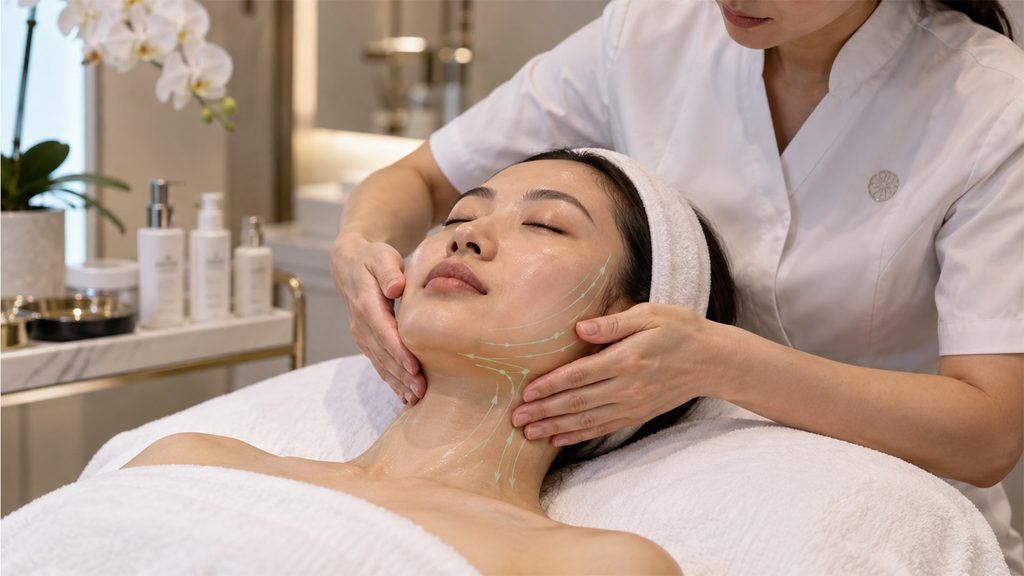
Just beneath the skin of your face, there’s a network of tiny drainage channels that carry fluid toward the lymph nodes in your neck and jaw. When they slow down, fluid starts to pool, and the face can look heavier and more tired than usual.
A therapist applies gentle, directional pressure along these pathways to nudge the built-up fluid toward the lymph nodes in the neck, where the body can clear it naturally. When the technique follows the correct pathways, research shows it measurably reduces fluid build-up in facial tissue.
The technique matters more than the tool. If the strokes go in the wrong direction, the fluid doesn’t move. That’s a big part of why a professional session tends to show more visible results than doing it yourself at home.
Why Does Gua Sha Work Well for Fluid-Based Puffiness?
It comes down to direction. A gua sha facial follows the face’s natural drainage pathways, moving from the centre outward and from the face downward into the neck. Every stroke pushes fluid in the direction the lymphatic vessels are already meant to carry it.
The crystal tool also applies gentle pressure to the connective tissue just beneath the skin, creating a secondary pumping effect on the vessels underneath. That’s what sets gua sha apart from a general face massage. A standard massage works across the surface. Gua sha moves in a specific direction with a clear destination.
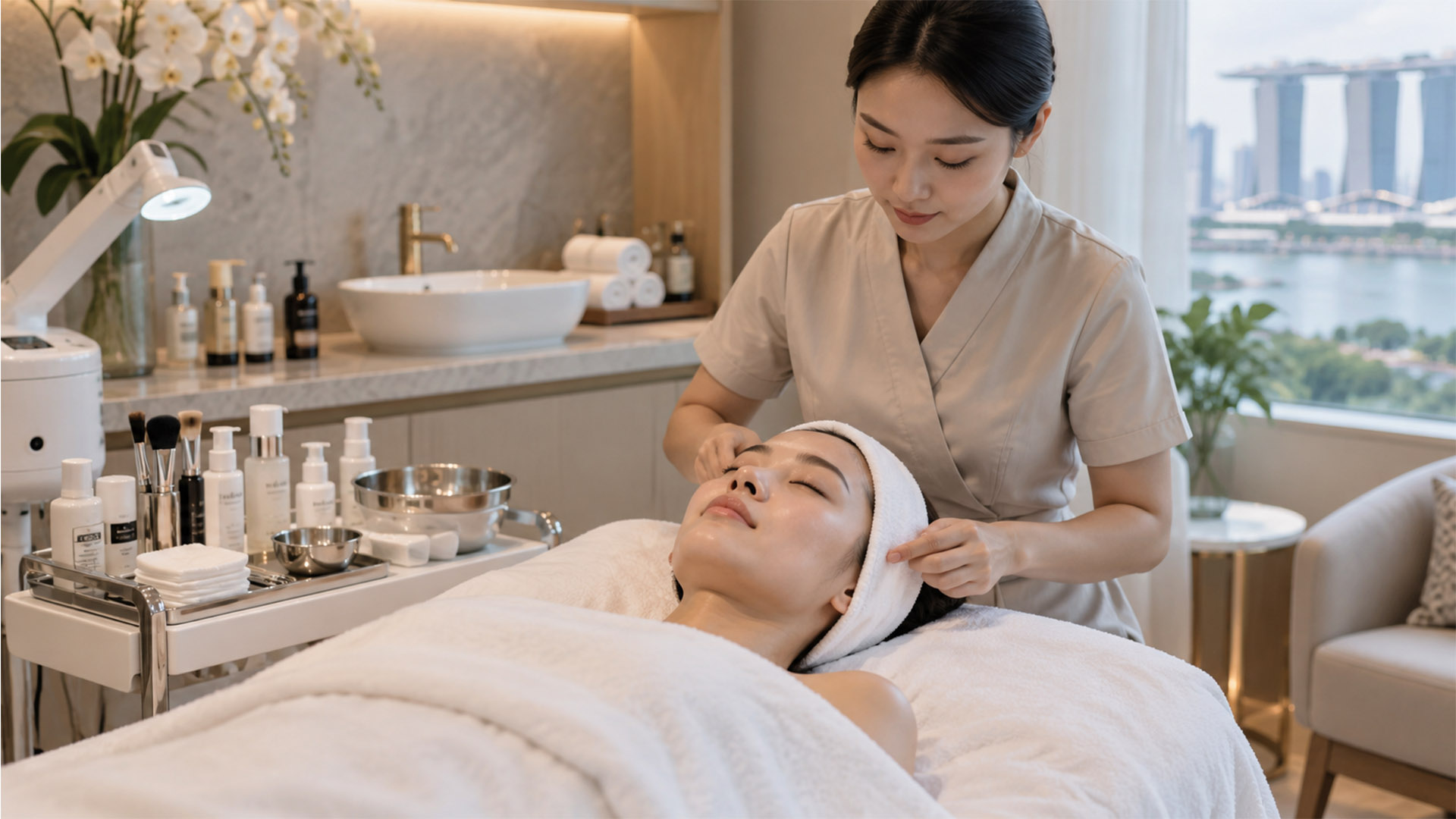
TaraBliss’s Gua Sha Detox Facial is built specifically around this lymph-flushing approach. The crystal tool is used with essential oils in a session that works progressively across the face and neck. It ends with a customised mask once the drainage work is done. The difference in how the face feels by the end, lighter, clearer, less heavy, is something many people notice the same day. TaraBliss specifically lists water retention and puffiness among the concerns this session suits.
A gua sha facial follows the face’s drainage pathways closely, which is why it tends to produce a more visible result than a general facial massage.
What Will You Actually Notice After a Session?
After a single session of lymphatic drainage massage in Singapore, many people notice a change right away. The face looks less heavy, the jaw more defined, and there’s a visible openness around the eyes that wasn’t there before. Fluid has moved.
What tends to happen over the following days is that some fluid builds back up, especially if the habits that slowed circulation haven’t changed. Sleep quality, how much you move, sodium intake, and stress all affect how quickly the face returns to how it was before.
This isn’t the treatment letting you down. It’s just how the lymphatic system works. It responds to consistent, regular input, not one-off sessions. Consistent sessions keep things moving, and over time the face tends to hold less fluid between appointments.
When Does Adding Bojin Make Sense?
The Meridian Bojin Facial approaches puffiness from a different direction. Where gua sha works along the surface following lymphatic pathways, Bojin presses deeper along the face’s energy channels, reaching into the deeper connective tissue and muscles underneath.
For puffiness that has a tension component, like a clenched jaw, a tight brow, or the kind of facial heaviness that builds with ongoing stress, Bojin works on the structures holding that tension. It also supports lymphatic flow as a side benefit. When facial tension releases, the vessels underneath move more freely, which helps with fluid clearance too.
The two work really well together, which is why many people combine them. Gua sha clears the surface-level fluid. Bojin addresses the deeper tension that slows drainage in the first place. For puffiness that keeps coming back, working across both levels is more likely to produce results that actually hold between sessions.
Frequently Asked Questions

1. Is lymphatic drainage massage in Singapore effective for morning puffiness?
It depends on the cause. If the puffiness comes from slow lymphatic circulation, a treatment like the Gua Sha Detox Facial can produce a visible change in a single session. If it’s mainly from the previous night’s sodium or alcohol, drainage helps speed up the clearing, but the body would resolve it within a few hours anyway. A personalised skin diagnosis at TaraBliss helps identify what is actually driving your morning puffiness.
2. How often should I book lymphatic drainage massage in Singapore for puffiness?
There’s no fixed answer. The principle is that regular sessions maintain better results than occasional ones. For persistent puffiness, starting with one session every two to four weeks and adjusting from there is a practical approach. Your TaraBliss therapist can suggest a schedule after the initial skin assessment.
3. Can I do a gua sha facial at home instead of booking a session?
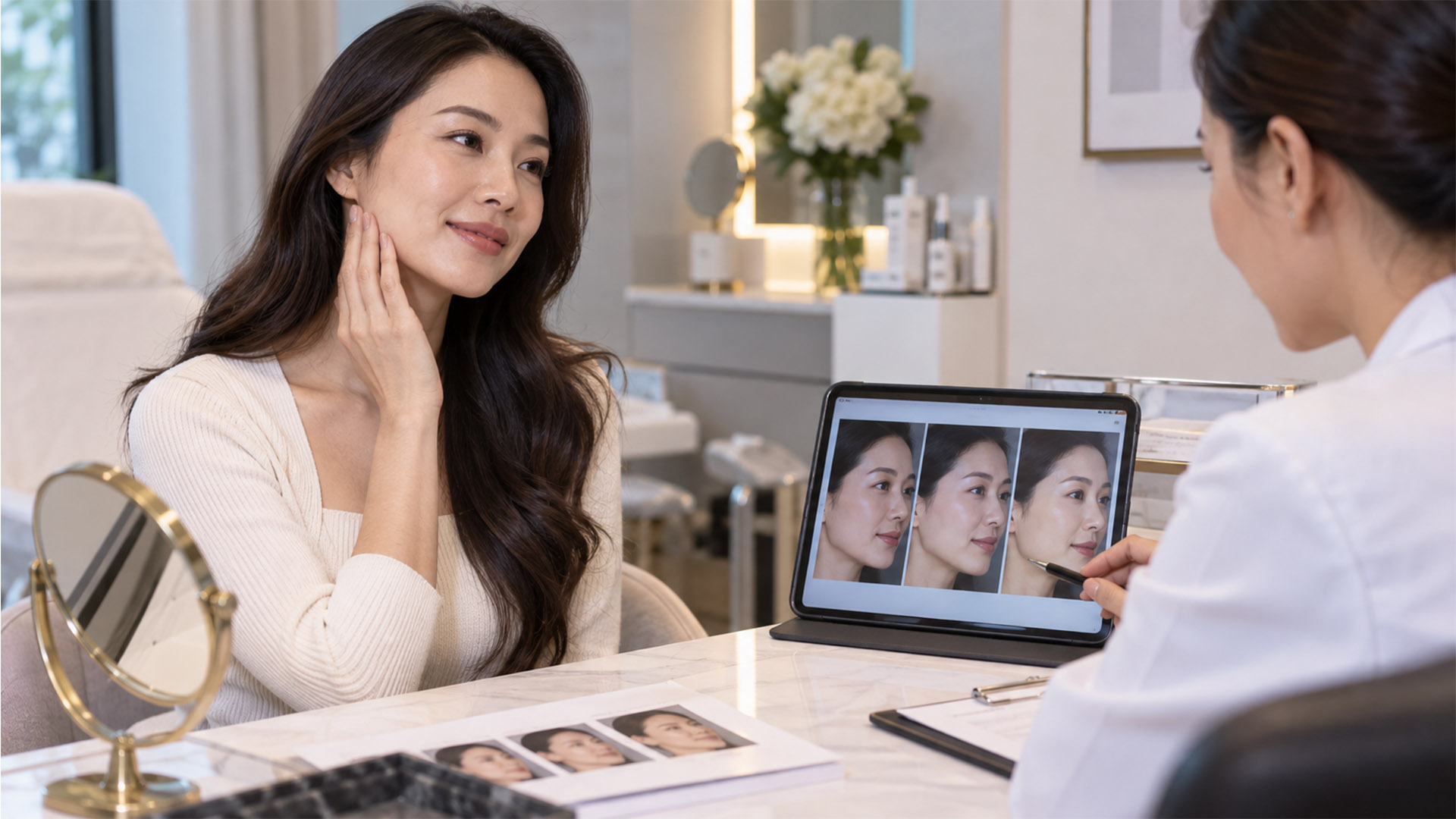
Home gua sha tools are useful for maintaining results between sessions, but they’re not a substitute for a professional treatment. The technique requires following specific drainage pathways with the right pressure, which takes training to do correctly. The TaraBliss session also includes extractions, a personalised mask, and a skin diagnosis that shapes what the therapist does that day.
4. Can a gua sha facial help with puffiness under the eyes?
Under the eyes is often where lymphatic drainage produces the most visible change. The skin there is thin, and the tissue holds fluid easily. Gua sha strokes along the bone around the eye socket and directs fluid toward the lymph nodes at the sides of the face and down into the neck. This may help reduce the appearance of under-eye puffiness in a session. How much depends on the cause and severity.
5. How do I know when to switch from gua sha to Bojin, or use both?
If your puffiness clears after a session but keeps coming back quickly, that’s often a sign there’s tension underneath slowing the drainage. At that point, adding Bojin alongside the gua sha facial is worth considering. Your TaraBliss therapist can assess this after your first session and advise on whether alternating or combining them would help.
When facial puffiness comes from sluggish lymphatic circulation, the right session can make a noticeable difference. A professional lymphatic drainage massage in Singapore is one of the more direct ways to address it. Gua sha is particularly well-suited because it follows the face’s drainage pathways rather than just working across the surface. For puffiness with both a fluid and a tension component, combining it with the Meridian Bojin Facial tends to produce results that hold better between sessions. At TaraBliss, the personalised skin diagnosis before every session means you go in knowing what you’re treating. Book a session and find out exactly what’s behind your puffiness.