
Key Takeaway
- A lifting facial works in two phases: some things change immediately after the session, and others build gradually over multiple appointments.
- The immediate change you notice is mainly from lymphatic drainage, which moves fluid and reduces puffiness around the jaw and cheeks.
- The deeper results, like improved skin firmness and better contouring, come from collagen support that develops over weeks, not hours.
- Five things affect how good your results are: your skin’s starting condition, age, how consistently you come in, what you do between sessions, and whether the treatment matches your actual concern.
- For sagging skin treatment or double chin treatment in Singapore, getting the treatment match right matters as much as the treatment itself.
Introduction
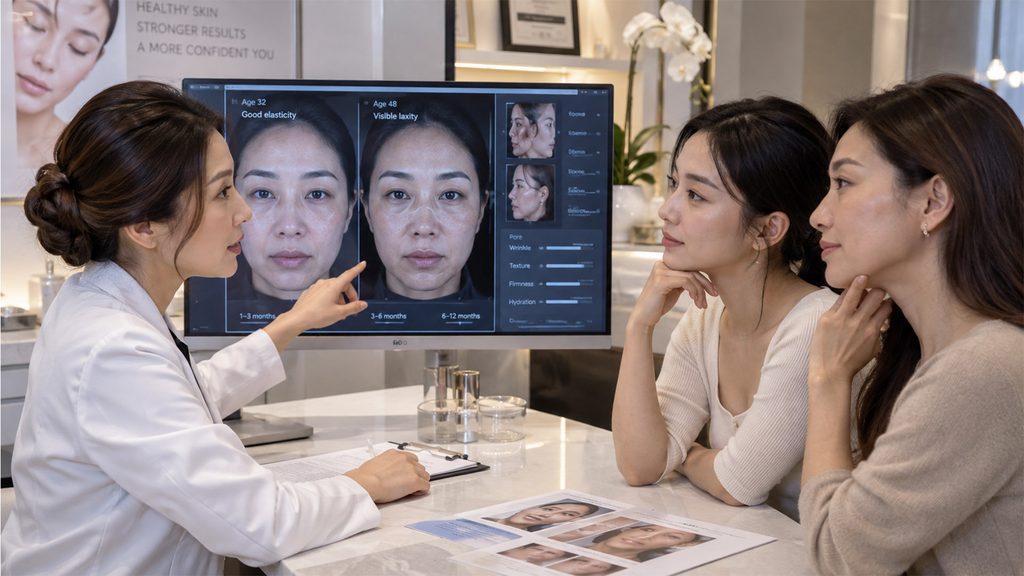
Walking out of a lifting facial with a more defined jaw and less heaviness in the cheeks is a genuinely satisfying feeling. Then a few days pass, and you find yourself wondering: did anything actually change, or was that just the lighting at the spa?
It’s not because the treatment didn’t work. It’s because a lifting facial changes your face in two very different ways: some of it is immediate, and some of it is slow. If you only look at the first kind, you’ll probably underestimate what’s actually happening. Here’s how to read both.
What Changes Right After a Lifting Facial?
The most noticeable change straight after a session is usually around the jaw and the area under the eyes. The face looks less puffy, the jaw more defined, and the skin has a brightness that wasn’t quite there before. That immediate shift comes primarily from the lymphatic drainage component of most lifting facials.
Your lymphatic system is a network of channels that moves fluid and waste away from the face. When it slows down, fluid pools in the soft tissue and the face starts to look heavy. A lifting facial that incorporates drainage work moves that fluid toward the lymph nodes in the neck, which is why the jaw looks sharper right after. It’s a real physical change, not a lighting trick.
What you’re not seeing immediately is the collagen response. Treatments like radiofrequency deliver energy into the deeper skin layers to encourage collagen production and tissue support, but that process takes time to show. The skin doesn’t rebuild overnight.
The immediate lift after a session is mostly fluid redistribution. The structural improvement that comes with consistent treatment is a slower, deeper process.
What Actually Builds Over Time?
Collagen is the protein that gives skin its firmness and elasticity. As we get older, collagen production slows,s and skin begins to loosen, and the lower face and neck tend to show this first. A lifting facial that works on the deeper tissue is essentially giving the skin a signal to rebuild, but the actual rebuilding takes weeks.
For radiofrequency-based treatments specifically, the response timeline tends to follow a pattern. You may notice some immediate tightening from the heat. The more significant improvement (the kind that shows in photographs and feels different when you touch your skin) develops over four to eight weeks.
This is why a single lifting facial, however good the session is, rarely tells the full story. The results from consistent sessions stack. Each appointment reinforces what the previous one started, and the skin responds progressively rather than all at once. For a longer look at how non-surgical face lifting in Singapore works across different treatment types, the TaraBliss face lifting guide goes into more detail.
What Affects How Good Your Results Are?
Your skin’s starting condition
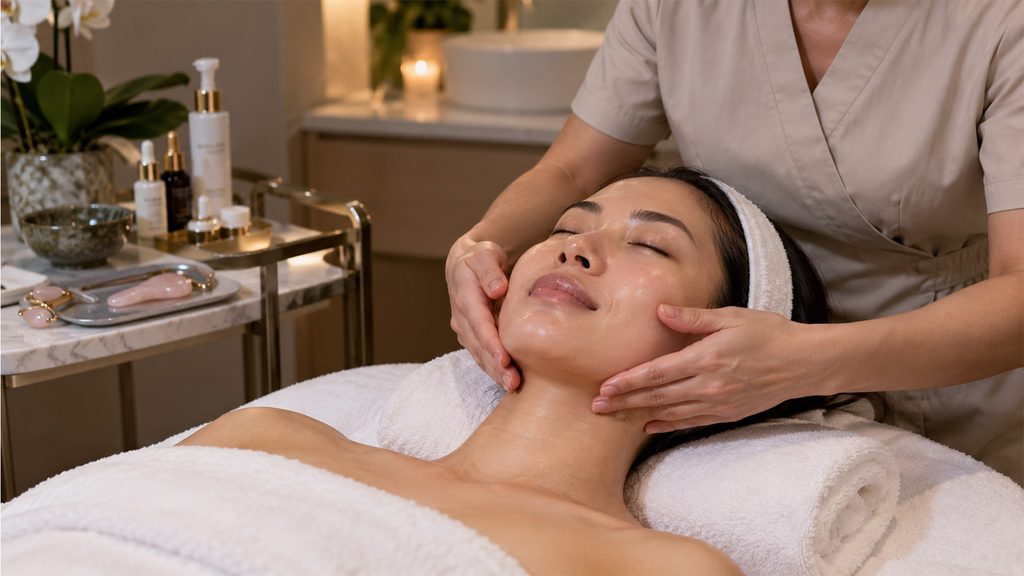
Two people can have the same lifting facial on the same day and walk away with noticeably different results. The main reason is usually where their skin was before the session. Skin that’s been looked after consistently tends to respond faster. It also holds results longer than skin being treated seriously for the first time.
This doesn’t mean it’s not worth starting later. It just means your first several sessions are partly catching up, and the visible improvement comes faster once a baseline has been established.
Age
Skin in your late thirties behaves differently from skin in your fifties. Younger skin tends to respond to collagen stimulation more quickly because the underlying mechanisms are still relatively active. Older skin still responds, but the timeline is longer, and more sessions are typically needed to see comparable change.
The other factor is how much laxity is already present. Mild looseness responds well to non-invasive treatment. Significant sagging (the kind that’s well-established rather than just beginning) is harder to address without a medical or surgical approach.
Consistency of sessions
A lifting facial done once every six months produces very different results from the same treatment done consistently every four to six weeks. The collagen response needs regular reinforcement to progress rather than reset each time.
For anyone using lifting facials as a sagging skin treatment, the sessions need to be close enough together that each one builds on the last. Long gaps between appointments mean the skin loses momentum between rounds of treatment.
What you do between sessions
Sun exposure is the biggest external factor that works against lifting results. UV damage degrades collagen and reverses the work the treatment is trying to do. If you’re investing in sessions and not protecting your skin from the sun in between, you’re slowing your own results.
Sleep, hydration, and avoiding habits like smoking that restrict circulation all affect how well the skin holds and builds on the treatment response. The facial does the work in the session, but the skin is recovering and rebuilding for the weeks that follow.
The treatment match
A lifting facial aimed at fluid retention won’t do much for significant skin laxity. A collagen-stimulating treatment won’t address tension-held facial heaviness the same way a meridian-based approach would. Getting the right treatment for your specific concern is what makes the difference between consistent progress and repeated disappointment.
Getting the treatment match right matters as much as the treatment itself. A session aimed at the wrong concern is unlikely to produce the results you’re looking for.
This is the reason TaraBliss starts every session with a personalised skin diagnosis. It’s not a formality. It’s what shapes the session.
Which Lifting Facial at TaraBliss Is the Right Match?
TaraBliss offers three treatments specifically for lifting, contouring, and definition. They work differently and suit different concerns.
| Treatment | What it targets | Best for | Starting point |
| V-Shape Proionic Facial | Skin firmness via 448kHz radiofrequency | Loose or sagging skin, early jowling | Skin laxity from collagen loss |
| Meridian Bojin Facial | Facial tension and lymphatic drainage via TCM | Puffiness, heaviness, tension-related softening | Fluid retention and facial tension |
| Magic Power Lift Facial | Combined lifting and contouring | Mixed concerns: fluid and early laxity together | Both fluid and mild skin looseness |
For double chin treatment in Singapore, the right choice depends on what’s behind it. If the concern is primarily puffiness or fluid retention, the Meridian Bojin session addresses that directly. If it’s loose skin that’s developed gradually, the V-Shape Proionic is the better fit. If it’s a mix of both, the Magic Power Lift covers more ground in one session.
So, How Long Do Lifting Facial Results Last?
It depends on the treatment. Drainage-focused sessions tend to last a few days to a couple of weeks before fluid begins to rebuild. Radio frequency-based sessions, where the benefit comes from collagen support in the deeper tissue, hold for longer and build on themselves with each appointment. The two work quite differently, which is worth keeping in mind when you’re deciding how to space your sessions.
Frequently Asked Questions
1. How many lifting facial sessions do I need before seeing real results?
The first session often produces a visible change, mainly from the drainage effect. The greater improvements to skin firmness and definition typically take three to six sessions to become clearly visible, depending on your skin’s starting point and the treatment used. Your TaraBliss therapist can give you a more specific timeline after the initial skin assessment.
2. Can a lifting facial help with a double chin caused by loose skin?
Yes, with some nuance. A lifting facial that works on collagen production, like the V-Shape Proionic, can support skin firmness in the chin and neck area over a consistent course of sessions. For a double chin treatment in Singapore that targets fluid retention specifically, the Meridian Bojin approach works through lymphatic drainage. Fat deposits under the chin are a different matter and don’t respond to facial treatment.
3. What should I avoid after a lifting facial to protect my results?
Sun exposure is the main thing to avoid, or at minimum to protect against with SPF. The skin has been actively worked on and is in a recovery and rebuilding phase. Heavy exercise that causes excessive sweating and alcohol in the first day or two can slow the skin’s response. Your therapist at TaraBliss will advise on specifics based on the treatment you had.
4. Is face lifting in Singapore through non-invasive facials suitable for all ages?
Non-invasive treatments can benefit a wide age range. Younger skin that’s just beginning to soften tends to respond quickly and maintain results more easily. Skin that’s already significantly lax may see improvement but is harder to address fully without a medical consultation. The personalised skin diagnosis at TaraBliss helps set a realistic picture before any session is booked.
5. How is a lifting facial different from a regular facial?
A regular facial focuses on cleansing, hydration, and surface skin condition. A lifting facial works at a different level: either through the lymphatic system, the facial fascia and meridian channels, or the deeper collagen layer, depending on the treatment. The goal is structure and definition rather than surface brightness.
If you’re somewhere in this and not sure which concern fits your face, that’s exactly what the skin assessment at the start of every TaraBliss session is for. The V-Shape Proionic Facial and the Meridian Bojin Facial both begin there before any treatment is decided. Book a session and start with a clear read on what your skin actually needs.