
You have been good to your skin. So why do your cheeks and jawline look different in photographs? The answer may have less to do with your latest cream than with what is changing beneath it.
Key Takeaways
- A softer jawline can involve skin and the tissues beneath it. That is why a moisturiser may make your face look fresher without restoring an earlier contour.
- Look at the change you actually notice: dry lines, skin that feels less firm, or a different shape around your cheeks. Each calls for a different conversation.
- A facial can be lovely for skin comfort and appearance. Ask what its particular method can do before expecting a lift.
- If the change is sudden, especially on one side or with weakness, get medical advice first.
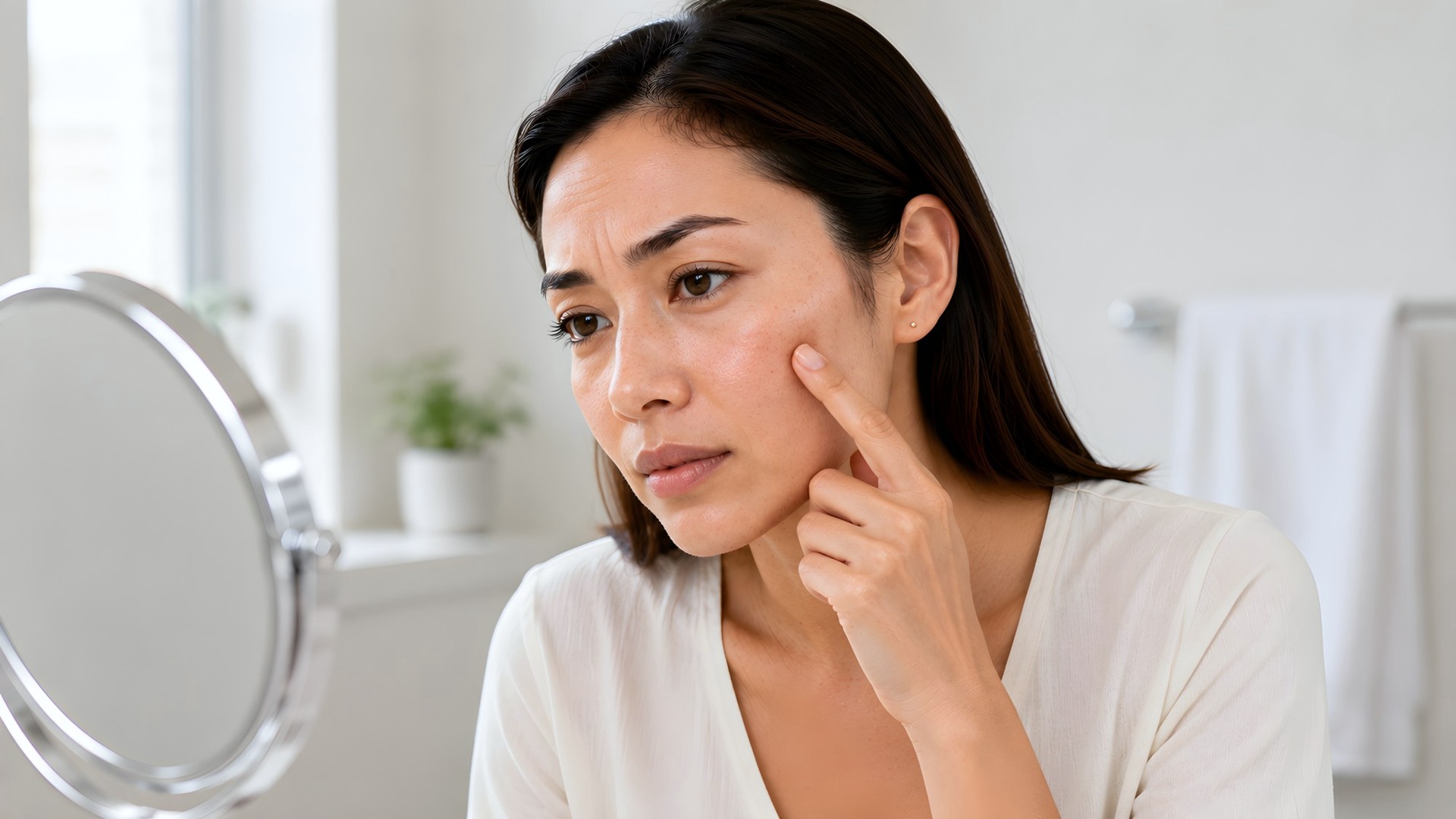
The change often announces itself in a photograph. Your moisturiser still does its job, yet your jawline looks softer than it did last year and your cheeks seem to sit differently. It can make you study an angle of your face you never used to think about.
It is normal to wonder whether you need a stronger firming product. But the outline of your face is shaped by more than the skin you can touch. As SingHealth explains in its account of facial ageing and lifting, skin and the deeper tissues of the face both matter. That is why the most useful first question is not “Which cream lifts?” It is “What has changed?”
A quick guide to the changes you might notice
| What you notice | What it may reflect | Useful next question |
| Dryness and fine lines | Skin surface and moisture | Would a gentler routine improve comfort? |
| Sagging cheeks or a softer jawline | Skin elasticity and facial volume | Is your concern loose skin, volume loss or both? |
| A sudden or one-sided change | A possible medical concern | Should a clinician assess this first? |
Why can your cheeks and jawline look different?

Think of your face as layers working together. Skin has its own elasticity. Fat gives the cheeks some of their shape. The deeper supporting tissues and underlying structure influence the outline you see from the side. Over time, more than one layer can change, and two women of the same age can notice very different things.
When the skin becomes less elastic, it may sit differently around the lower face. A loss or shift of cheek volume can also make the mid-face look flatter and the jawline less crisp. NHG Health describes how age-related changes in facial volume and support can alter the cheeks and jawline. This does not mean you can diagnose the cause from a selfie. It means your concern deserves a more precise answer than “sagging.”
There is another reason photographs can unsettle you: lighting, camera angle and the way you hold your head all affect a jawline. Look at the change in ordinary light before deciding it happened overnight. If it really appeared suddenly, particularly on one side or with pain or weakness, speak to a clinician. A beauty appointment is not the place to investigate that.
What can skincare do, and where does it stop?
There is plenty of value in a good routine. Moisturiser can make dry skin feel more comfortable and soften the look of fine lines caused by dryness. Sun protection helps limit further visible damage; Singapore’s HealthXchange guidance explains the role of UV exposure in premature skin ageing. You do not need to dismiss these everyday steps because your face has changed.
But there is a limit to what a product applied on the surface can do. If your cheeks have lost some of their earlier shape, an elegant cream cannot replace the fullness underneath. If the lower face is changing because of deeper tissue position, a moisturiser will not move it back. Expecting that result from skincare can leave you buying one firmer-sounding jar after another, when the question you need answered is different.
That does not make your skincare a waste. It may be doing exactly what it is designed to do for texture and comfort. You can appreciate that result and still ask for a separate assessment of your facial contours.
Could a facial make your face look firmer?
A facial can leave your skin feeling cared for and looking more polished. A hydrating treatment may make dry fine lines less noticeable for a while. Massage may make the appointment feel restorative. Device-led services have their own methods and suitability checks. None of those descriptions, on its own, tells you that lost cheek volume will return or that deeper tissue has been repositioned.
This is where a consultation earns its place. Say what you noticed: “My cheeks look flatter in photographs,” or “My jawline seems softer even when my skin feels well moisturised.” Ask the therapist which part of that concern the proposed session addresses, what it involves and what might be temporary. TaraBliss’s ageing skin treatment overview can help you browse the options before that conversation, but the right choice depends on your face and the method actually offered.
If you want to explore medical lifting or volume-restoring procedures, speak to a qualified medical practitioner about suitability, risks and recovery. A facial and a medical procedure belong in different conversations. You can consider either, both at different times, or neither.
What would a good result look like to you?
Perhaps you would be happy if your skin felt softer and makeup sat better. Perhaps it is the change in your side profile that bothers you most. Those are both reasonable wishes, but they do not ask the same thing of a treatment.
Before looking at dramatic before-and-after images, decide what you would notice in your own daily life. A clearer description helps a provider answer honestly. It also gives you permission to decide that a modest result is enough, or that you would rather wait than buy a treatment whose promise is vague.
The face you see today is not a report card on how diligently you have cared for yourself. Ageing has more than one cause and more than one visible expression. Understanding the particular change lets you choose your next step with less guesswork.
How do you make sense of a lifting promise?
Before-and-after photographs can be useful, but they need context. Were the images taken in the same light and at the same angle? Was the person smiling or holding her head differently? What treatment did she actually have, and when was the second photograph taken? These questions are not cynical. They help you see whether the image is relevant to the change you hope for.
Ask the provider to describe the result without the picture. If your concern is a softer jawline, what part of the session is intended to address it? If your concern is dry lines, what might look different after moisturising? A clear answer may be modest. It should still leave you knowing what you are choosing.
Frequently Asked Questions

Are softer cheeks always caused by loose skin?
No. Skin elasticity and the fat that supports your cheeks can both influence facial shape. A clinician or appropriately qualified provider can help clarify which concern you are discussing.
Will a firming cream lift my jawline?
It may improve the look of dry skin and fine lines, depending on the product. It cannot reposition deeper tissues or replace lost cheek volume.
Can a facial help if I only want to look refreshed?
That is a more realistic goal for many cosmetic facials. Ask what the session includes, how long any visible effect may last and how your skin might feel afterwards.
Do I need treatment when my face starts to change?
No. You can care for your skin and decide not to pursue a cosmetic treatment. If you do want one, begin with the change that matters to you rather than a treatment name.
When should I seek medical advice?
Get prompt advice for a sudden, one-sided change or symptoms such as weakness or pain. A qualified practitioner should also assess medical procedures and their risks.
Begin with the face you have now
If a firmer-looking complexion is on your mind, start with an honest description of your cheeks, jawline and skin comfort. Explore TaraBliss’s ageing skin facial options and ask what a particular treatment can reasonably offer you. A clear answer is more valuable than a dramatic promise.