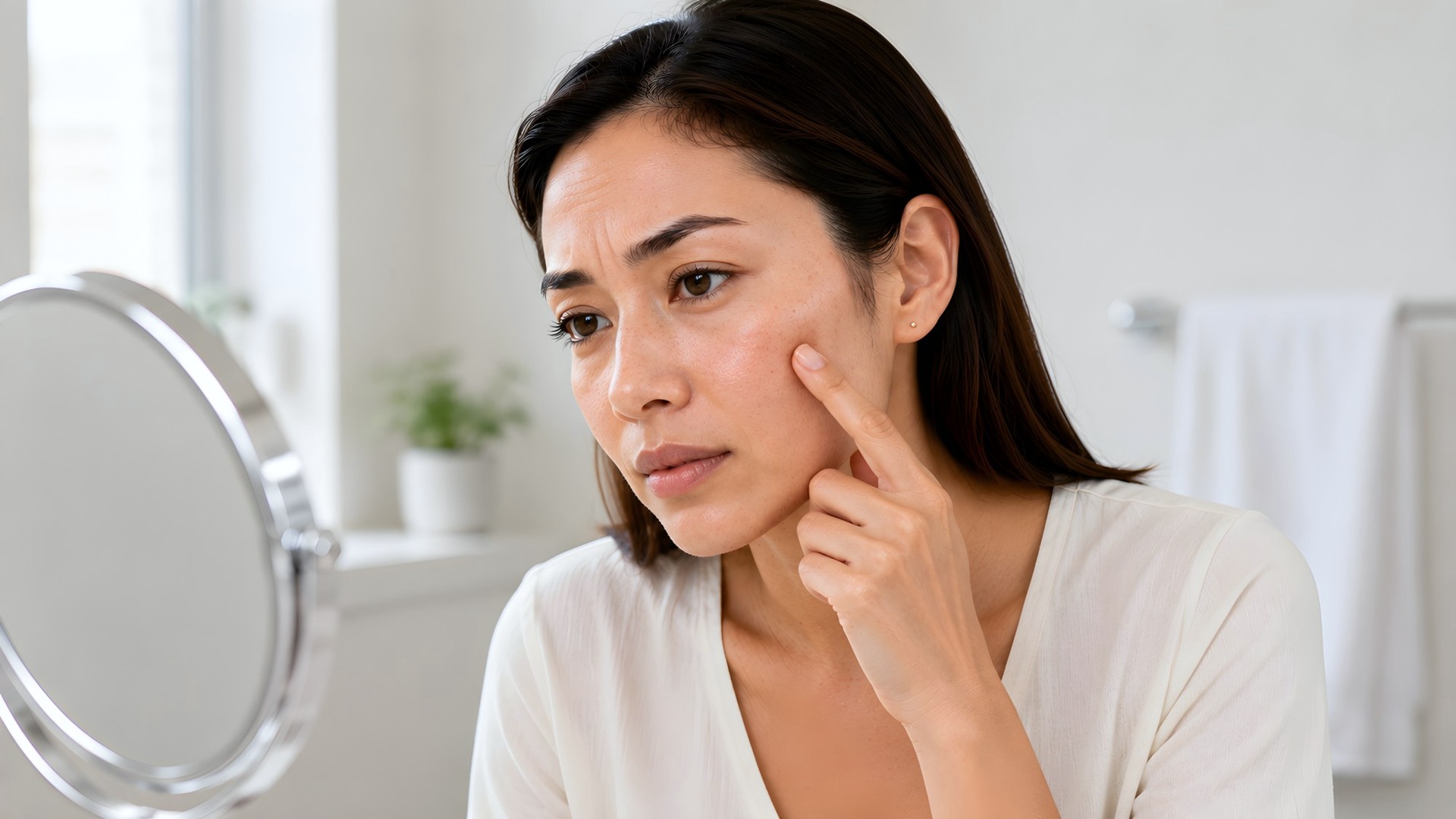
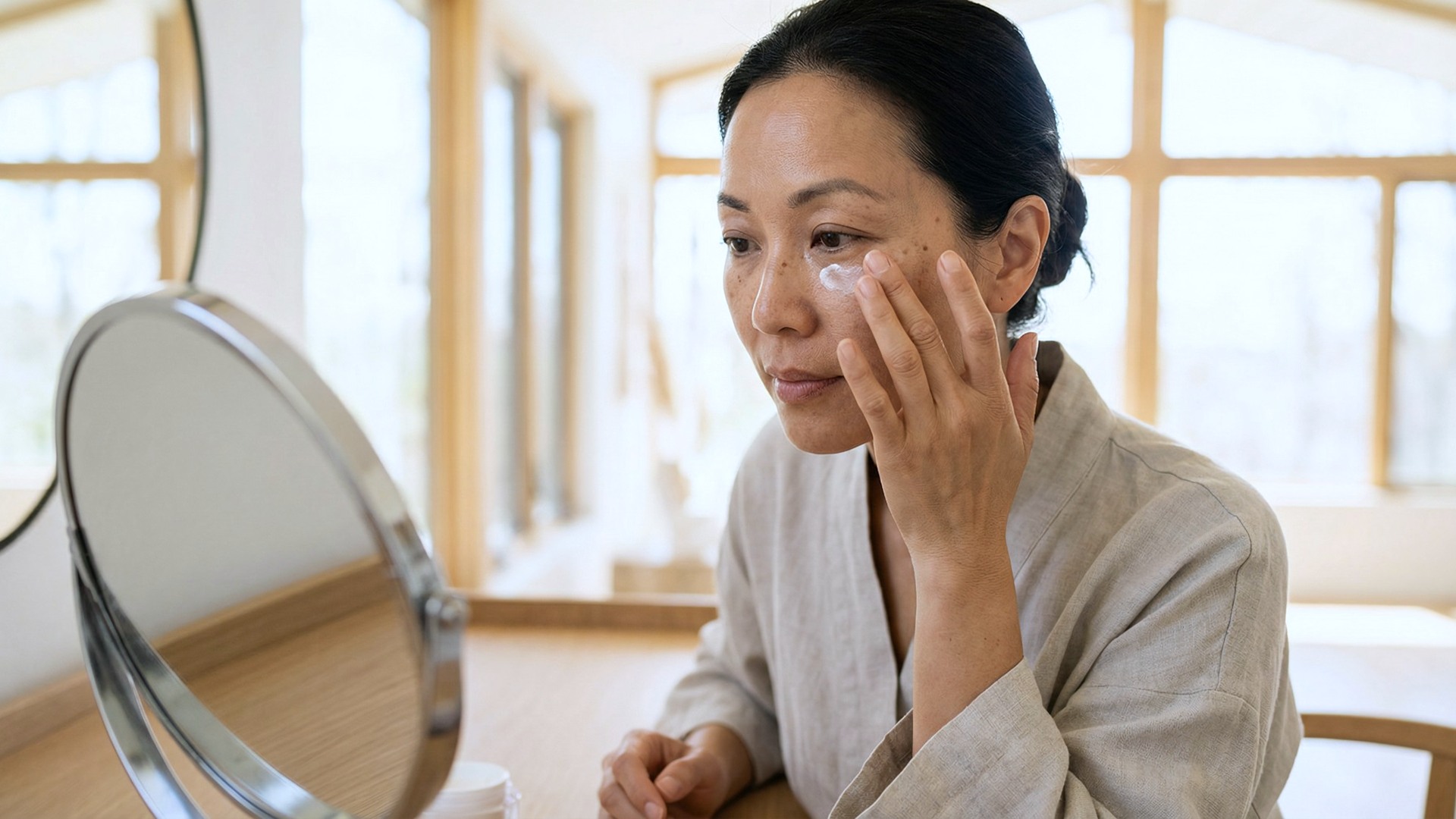
One morning, the moisturiser you have relied on for years no longer seems to be doing enough. Your skin has not changed on a single birthday, but several small shifts can become visible at once.
Key Takeaways
- The “collagen cliff” is a catchy phrase, not a date on which every woman’s skin suddenly changes.
- Dryness, fine lines and a softer facial contour may arrive together, but they are not the same concern.
- Menopause can influence moisture and skin structure. Sun exposure and ordinary ageing still matter too.
- Start with what your skin is doing now: comfort, texture or shape. That will lead to a more useful routine and consultation.
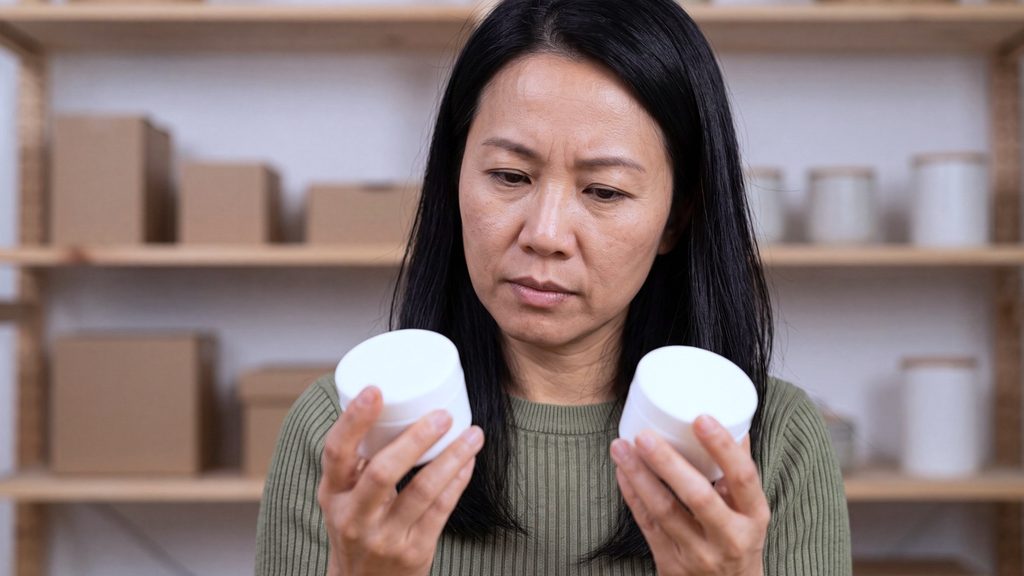
There is a particular kind of disappointment in opening a familiar skincare jar and finding that it no longer feels like enough. Perhaps your face is tight by lunchtime. Perhaps foundation settles around your eyes differently. Or perhaps it is your cheeks in a photograph that make you pause.
Beauty conversations sometimes call this the “collagen cliff”, as though your skin reaches an edge somewhere in your 40s and everything changes overnight. Real life is less tidy. Collagen changes over time, and the hormonal transition around menopause can bring changes in moisture and elasticity into sharper focus. Understanding what you are seeing is more useful than shopping for the age printed on a box.
A quick guide to midlife skin changes
| What you notice | A possible factor | Where to begin |
| Tight or itchy skin | Reduced moisture and barrier comfort | A gentle routine and medical advice if persistent |
| Finer lines | Ageing and sun exposure | Daily care and realistic expectations |
| A changing contour | Skin and underlying tissue changes | An assessment of the actual concern |
What is collagen doing beneath your skin?
Collagen is one of the proteins that gives skin structure. The skin’s appearance also depends on elastin, moisture, facial fat and a history of sun exposure. When those elements change, fine lines can become clearer, skin may feel less resilient and the outline of the face can look different. They do not all change at the same pace.
That is why a dry face and a flatter-looking cheek deserve different answers. Moisturiser can make the surface more comfortable and soften dry lines. It does not restore facial volume. If a product helps your skin feel lovely but your side profile still looks different, that is not a failure of the product. It is a clue that you are asking it to solve a different concern.
CNA Lifestyle’s dermatologist-led discussion of dry, ageing skin notes that skin can become drier as oil content falls. That is a general pattern, not a forecast for your own face at a particular age. Some women notice dryness first; others are more concerned about pigmentation or a changing jawline.
Why might the change feel sudden around menopause?

Oestrogen has a role in skin moisture and structure. As levels change through perimenopause and menopause, your usual routine may feel less comfortable. Vogue Singapore’s discussion of mature skin describes the connection between hormonal change, collagen and moisture. KK Women’s and Children’s Hospital also includes dry skin among symptoms women report during this transition.
The feeling of “sudden” is understandable. A few subtle changes may become apparent when makeup sits differently, a night of poor sleep leaves your face looking tired, or a photograph catches a new angle. None of those observations can tell you that hormones are the only cause. Sun exposure, medication and a separate skin condition may also play a part.
If your skin is persistently itchy, inflamed or changing in a way that worries you, seek medical advice. Menopause is context for the conversation, not an automatic diagnosis for every symptom.
Should your skincare routine change in your 40s or 50s?
Only where your skin gives you a reason. If cleansing now leaves it tight, try a milder cleanser before adding an entire new “mature skin” range. If a strong acid or retinoid stings, pause and ask for advice rather than pushing through because the label promises renewal. Keep sun protection part of your day, particularly in Singapore’s year-round light.
You might discover that a simpler routine feels better than the elaborate one you built over years. Cleanse gently, moisturise where needed and protect exposed skin from the sun. Introduce a treatment product for a specific goal, one at a time, so you can tell whether your skin likes it. A routine should fit your mornings, not just look impressive on a shelf.
If you are considering a facial, tell the therapist what changed. “My skin feels dry by midday” is a more useful start than “I need an anti-ageing facial.” Ask what the session includes and how it is adapted if your skin has become reactive. TaraBliss lists ageing skin facial options, but the benefit to discuss is the one relevant to your current concern.
What if your concern is shape rather than dryness?
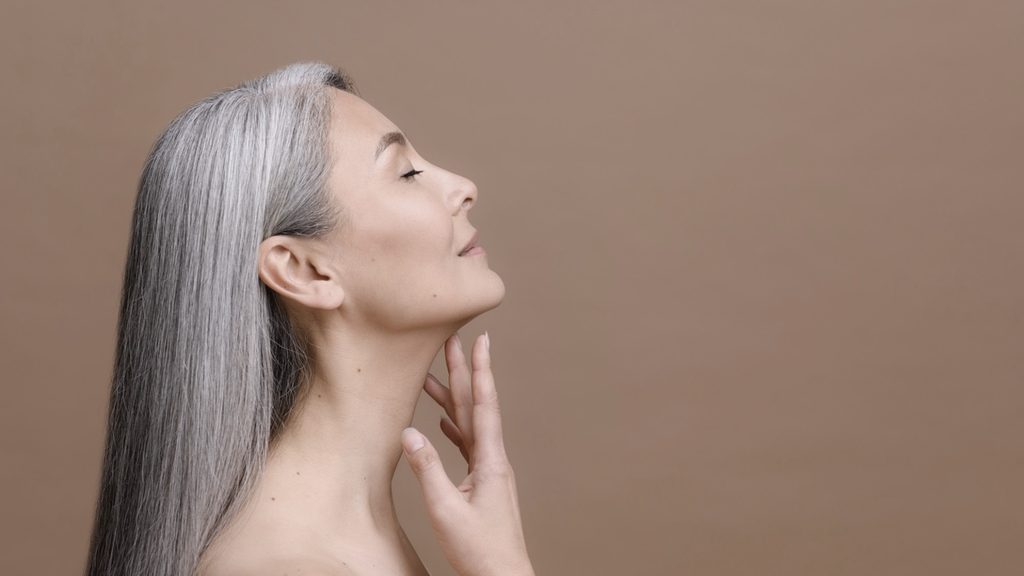
Your cheeks can look less rounded even when your skin feels well moisturised. Facial volume and support change with age as well. No amount of layering serum can move those deeper structures back into place.
That may lead you to ask about a device-led facial or to consult a qualified medical practitioner about procedural choices. Ask exactly which layer a method aims to affect, what evidence supports its result and how long any change may last. You do not have to choose the most intensive option simply because your face looks different. A comfortable, refreshed-looking surface may be the result you value most.
How do you read a product promise at this life stage?
A jar can promise “firmness” when it means the surface looks smoother after hydration. Another product may be built around an ingredient studied for fine lines. Neither description automatically speaks to the way your cheeks have changed. Read the claim as a question: what was measured, for whom and over what period? If the brand cannot explain it, you can choose a product for comfort without believing it will rebuild your facial contours.
Price is not a substitute for suitability. The most expensive cream may feel wonderful on one woman’s face and sting on another’s. If your usual moisturiser has stopped being enough, ask what your skin needs before replacing it with the strongest “age-defying” option on the counter.
This is also a good moment to separate a skin concern from a health symptom. Dryness can be part of ageing or menopause, but a persistent itchy patch needs its own assessment. The right answer may be a simpler routine or a clinician’s advice, not another anti-ageing launch.
Frequently Asked Questions
Does the collagen cliff happen at 40?
No. It is a metaphor for changes that vary by person and develop over time. There is no universal birthday when your skin takes a dramatic turn.
Can menopause make my skin dry before periods stop?
It can be part of the perimenopausal transition. Dryness can have other causes too, so seek advice if it persists or is accompanied by a rash or itch.
Is dryness the same as collagen loss?
No. Dryness concerns moisture and comfort at the skin’s surface. Collagen contributes to structure. You may notice both, but one product will not necessarily address both.
Will a facial replace lost collagen?
Do not assume a facial can reverse hormonal ageing or restore an earlier facial shape. Ask what the actual method does and what visible change is realistic.
Do I need to replace all my skincare now?
Probably not. Begin with the product or step that no longer feels comfortable, then make one change at a time. A clinician can help if irritation persists.
Let your skin tell you what comes next
The most useful response to midlife skin change is curiosity, not panic. Notice whether your concern is comfort, texture or a different facial outline. If a facial appeals to you, explore TaraBliss’s ageing skin treatments and ask how a particular session fits that goal. For persistent symptoms, speak to a clinician.